
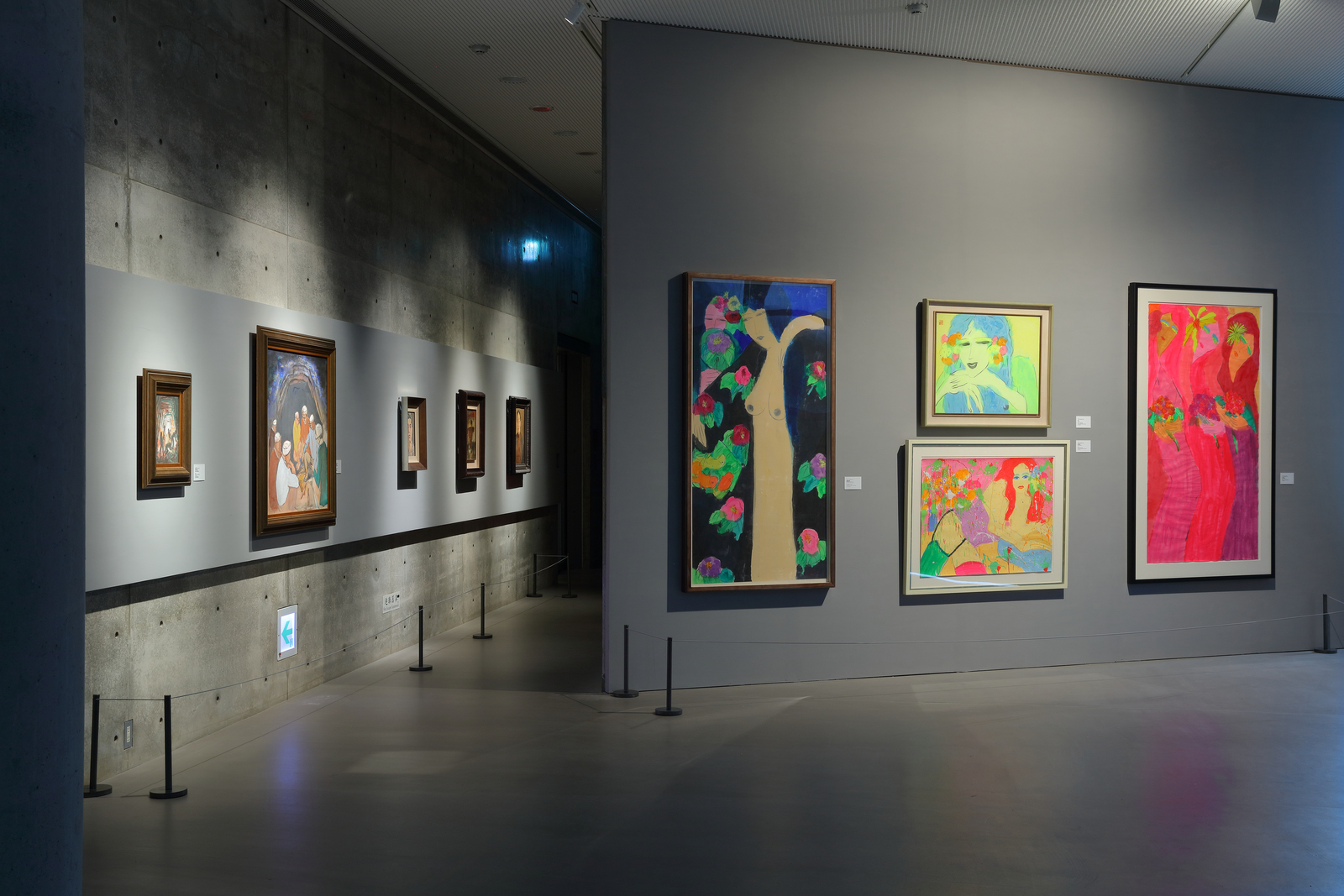
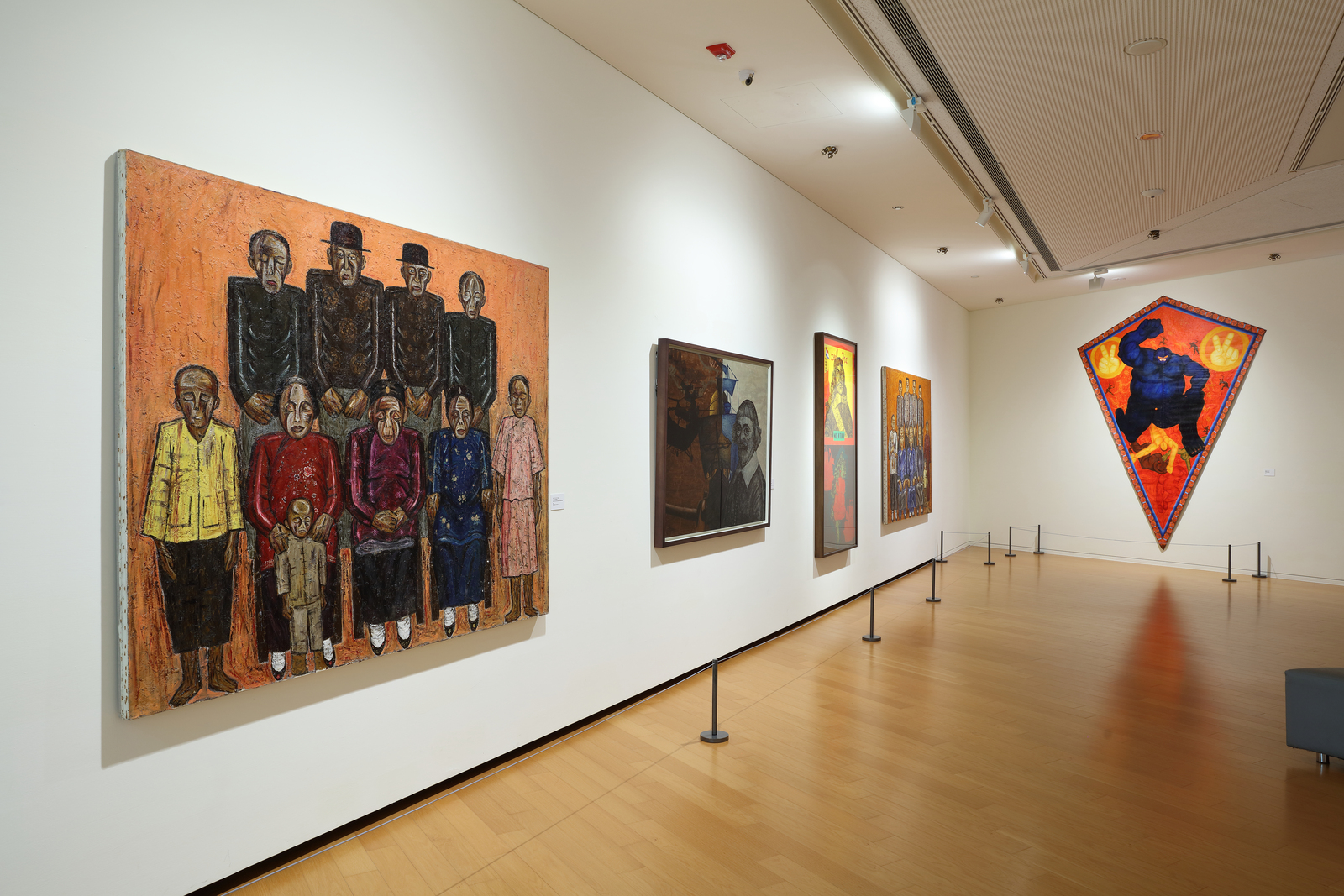
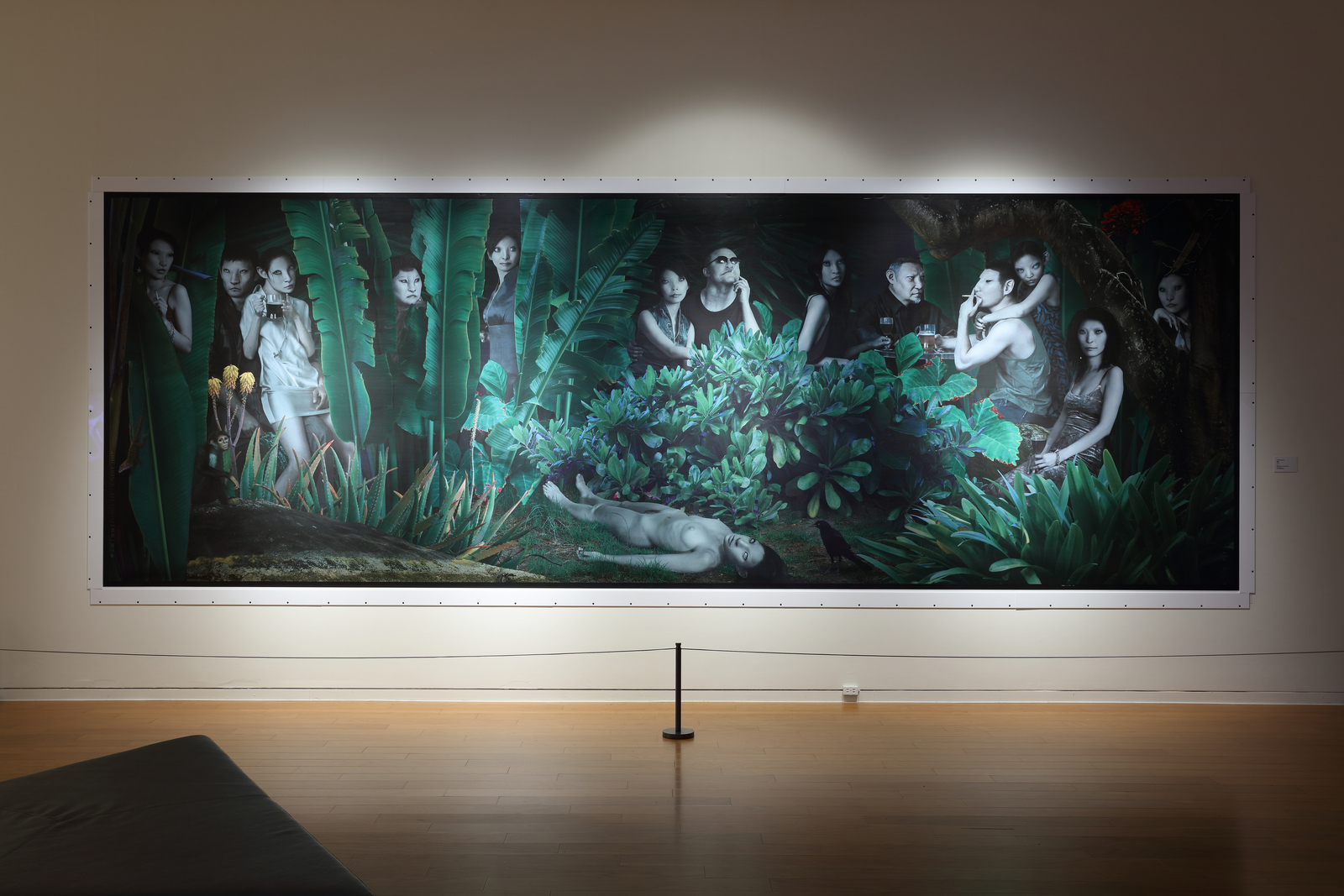
Centered on the human body, “Transformation— Body, Gaze, and Power” explores the diverse representations of the body in art from the 20th century to the present. Through five thematic sections — Dawn of Enlightenment, Struggle of Eroticism and Art, Power Discipline, Collective Gaze, and Body of Evolution — the exhibition examines perspectives ranging from Eastern notions of the body and the boundaries between art and eroticism, to the politics of power, surveillance, and the evolving, hybridized body in contemporary art.
The curatorial framework draws inspiration from Michel Foucault’s concept of Biopouvoir (biopower), and resonates with Taiwan’s recent #MeToo movement. Foucault posited that from birth, individuals are governed by temporal, spatial, political, and cultural systems of discipline—unconsciously shaped by ideological and behavioral conditioning—turning society and the state into mechanisms that regulate the body. Only by exposing these power structures can the body attain true freedom.
In Western art history, the representation of the body has evolved from the idealized forms of ancient Greece and Rome, through the sacred corporeality of Christian art, to the classical perfection of the Renaissance, each aspiring toward a universal ideal beyond reality. The Romantic movement of the modern era, however, celebrated individuality and marked the awakening of bodily self-awareness. These traditions later traveled eastward to Japan through Rangaku (the Dutch learning in the Edo Period), the Meiji Restoration, and colonial education, and from there to Taiwan. Art academies in Taiwan, founded upon classical aesthetics, institutionalized and codified bodily representation. Japanese painter KURODA Seiki’s triptych Wisdom, Impression, Sentiment epitomizes this synthesis of Western anatomy and Eastern brushwork, showcasing the disciplined beauty born of cross-cultural fusion. During Taiwan’s colonial period, figural depictions often reflected collective identity under societal constraints.
In the early years of the Nationalist government’s relocation to Taiwan, representations of the body emphasized monumental and heroic forms, reflecting the political ideology of the time. Under martial law, social systems exerted total control over both mind and body. Yet by the 1980s, with the rise of democratization and feminist movements, artists began re-examining gender and corporeality. The body became a site of resistance, revelation, and self-reflection. Artistic gazes shifted from the male gaze to female self-representation and deconstruction, expanding into a pluralistic and complex discourse.
Discipline of the body arises through education, institutional systems, and cultural conditioning. In response, artists have turned exposure and self-narration into acts of liberation and redemption. Entering the 21st century, technological intervention has introduced new anxieties surrounding biological replication and proliferation, extending discussions of the body to the realms of bioethics and posthuman imagination.
Through the interplay of art and theory, Metamorphosis — Body, Gaze, and Power reveals how the human body continually struggles against constraint, seeking freedom and multiplicity amid the ever-shifting dynamics of power, perception, and culture.






 Transformation — Body, Gaze, and Power-E-Brochure.pdf