2013-10-24 Genesis - Grand Opening of Asia Museum of Modern Art
Permanent Exhibition
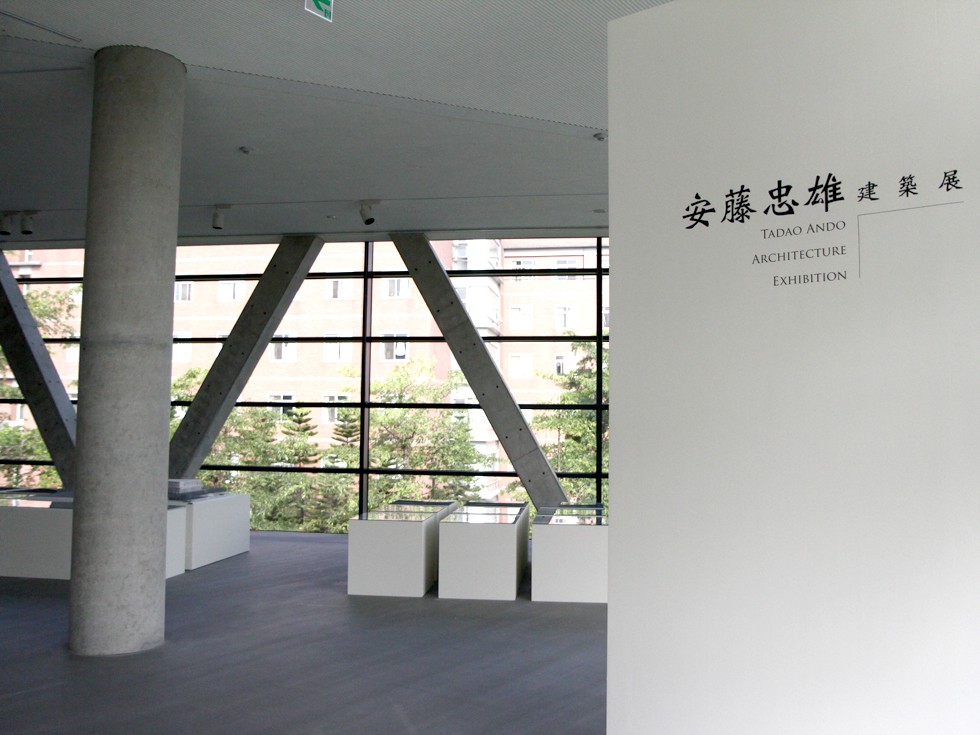
Tadao Ando Architecture Exhibition
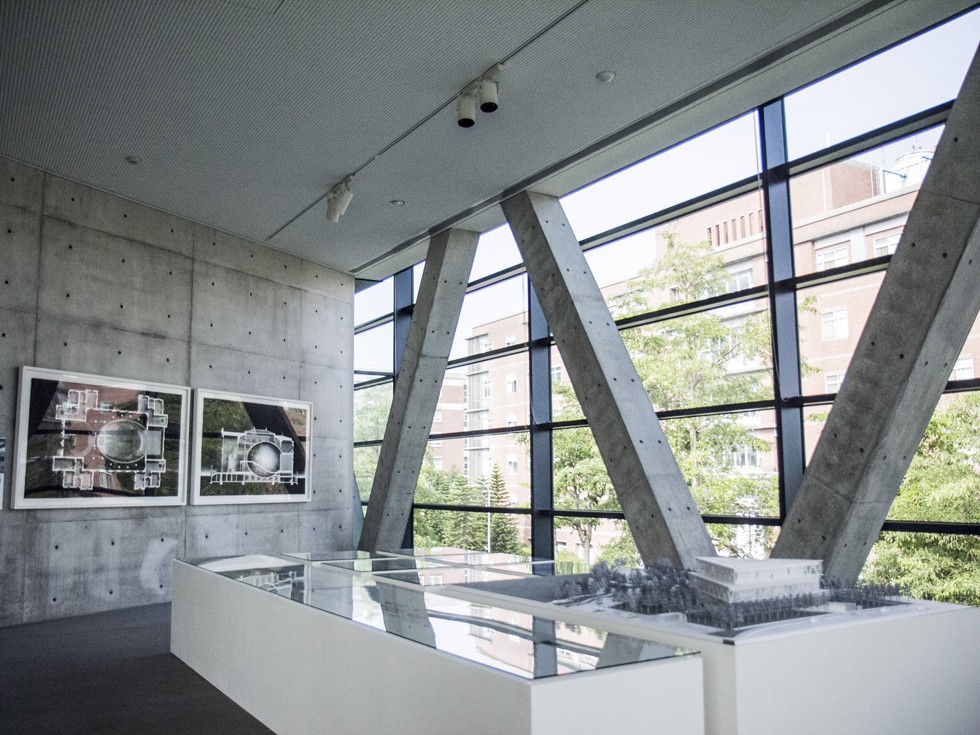
The museum presents a permanent exhibition dedicated to the architecture of Tadao Ando, organized into three main sections. The first section showcases the architectural design process of the Asia University Museum of Modern Art, featuring construction photographs, models, and Ando’s original sketches—offering a complete view of the journey from concept to completion. The second section introduces Ando’s museum designs around the world, highlighting the individuality and spirit of each structure. The third section presents Ando’s 1988 unrealized project Urban Egg for Nakanoshima, symbolizing Ando’s enduring pursuit of self-challenge and his inspiration for a new generation of architects.
Creating Imagery: Western Modern Sculpture From the Collection
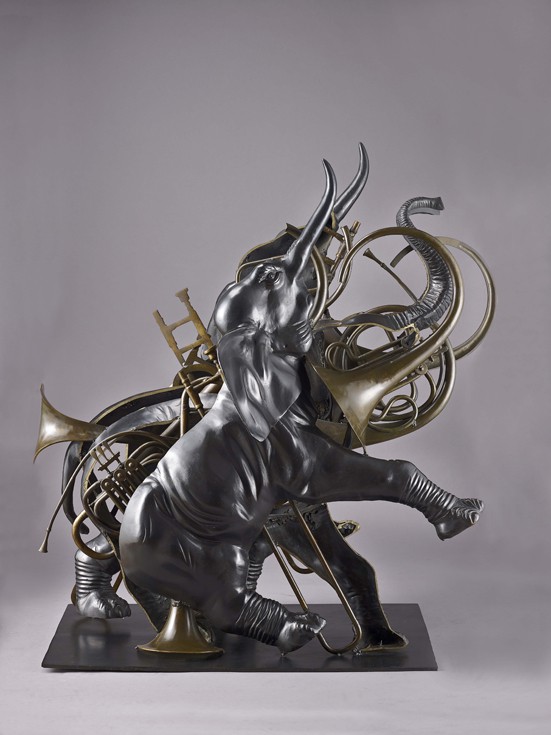
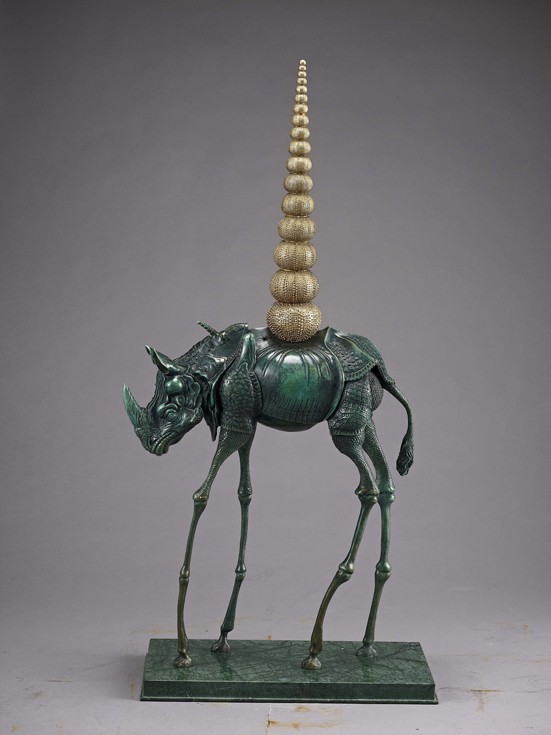
The museum’s selected collection is featured in the Permanent Exhibition of Western Modern Sculpture, featuring representative works by five masters of Western modern sculpture — Degas, Rodin, Henry Moore, Dalí, and Arman. Following in the lineage of Michelangelo, each artist developed a distinct artistic language, charting unique paths that span from realism to surrealism. Together, their works traverse decades of modernist innovation, revealing the boundless possibilities of imagery and form in sculptural creation.
Special Exhibition
Genesis | The Sculpture of Auguste Rodin and Henry Moore
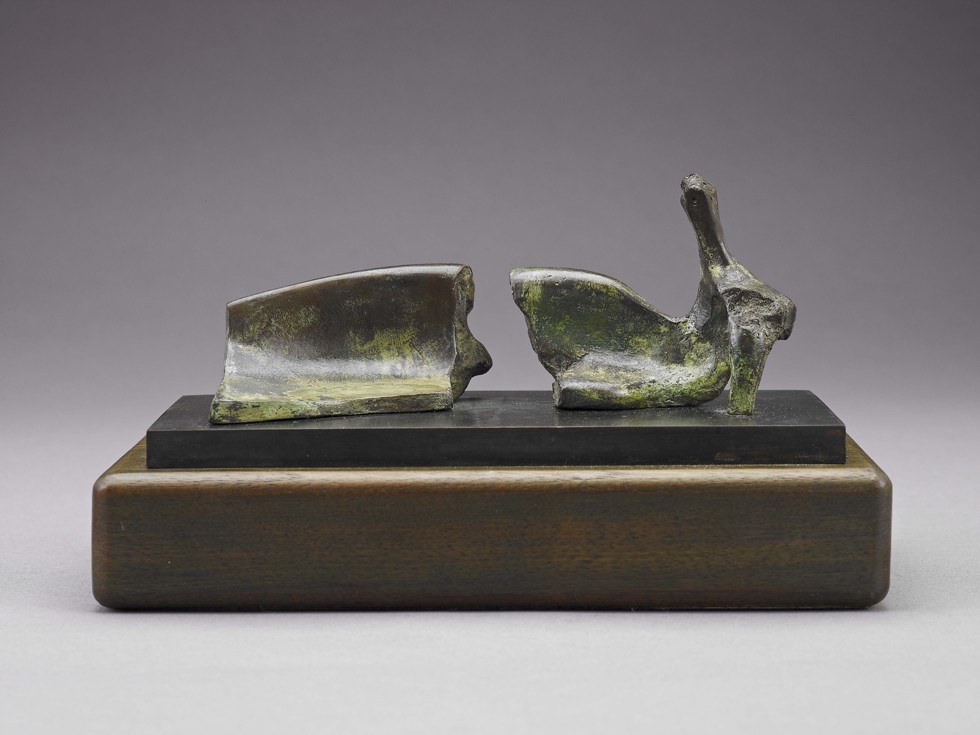
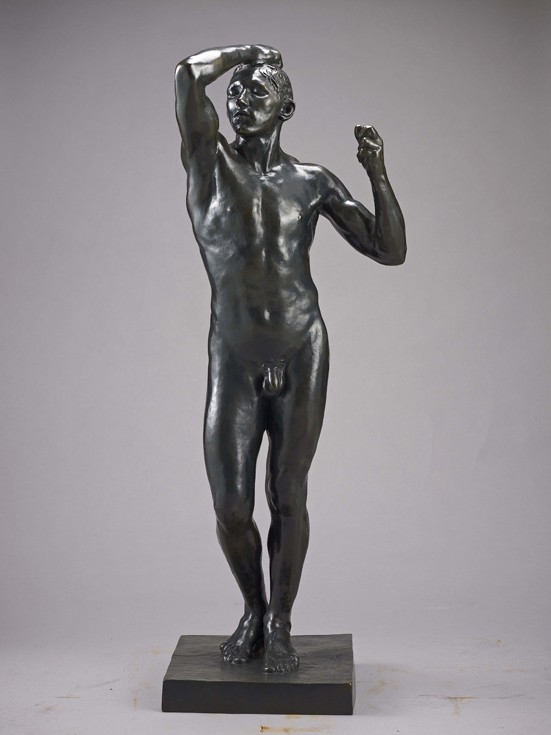
To celebrate the museum’s grand opening, the inaugural exhibition “Genesis” presents masterpieces from the collection by two titans of modern sculpture — Auguste Rodin and Henry Moore. Representing realism and abstraction respectively, both artists played pivotal roles in the evolution of art history. Their works, centered on the human form and inner tension, broke away from academic conventions and redefined the essence and autonomy of sculpture. The exhibition symbolizes the beginning of modern sculpture, echoing the museum’s founding spirit of creation and renewal.
Master Works | Xu Beihong’s Three Horses
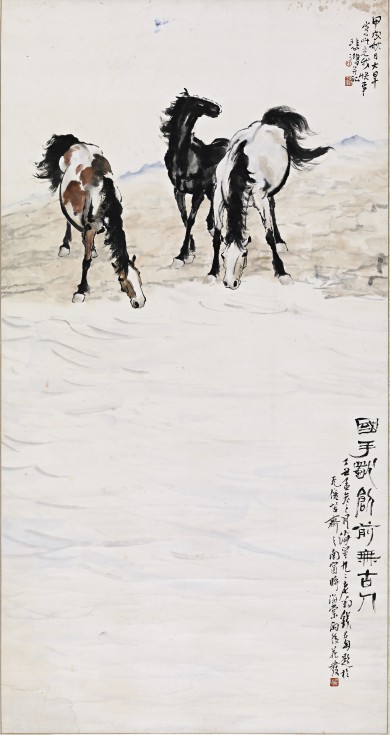
The debut of the Masterpiece Series features Three Horses, a representative work by Xu Beihong, one of the most influential artists in 20th-century Chinese art. Trained in Europe with a full academic background, Xu returned to China and vigorously promoted objective realism. He is best known for integrating Eastern ink painting with Western techniques, infusing his brushwork with vitality and precision—especially in his depictions of horses. In Three Horses, Xu presents a grand and expansive composition, executed with bold and powerful brushstrokes. The ink tones are rich yet spontaneous, capturing both spirit and form in one continuous flow. The work embodies Xu’s artistic mastery and holds exceptional aesthetic and collectible value.
Contemporary Masterwork | YANG Jeong-dih's La Temps Scelle
This exhibition presents La Temps Scelle (Sealed Time), a printmaking work by young artist YANG Jeong-dih. The piece, created over seven years, depicts a two-kilometer stretch of Taiwan’s northern coastal highway, evoking both tranquility and awe. Through the medium of etching, Yang blends Western realism with local cultural elements, merging the vitality of life with a refined artistic language. The result is a deeply moving landscape—one that stands as a remarkable chapter in the narrative of Taiwan’s contemporary art.

From Upending Reality to Creating Reality: Contemporary Taiwanese Art After the Martial Law Era
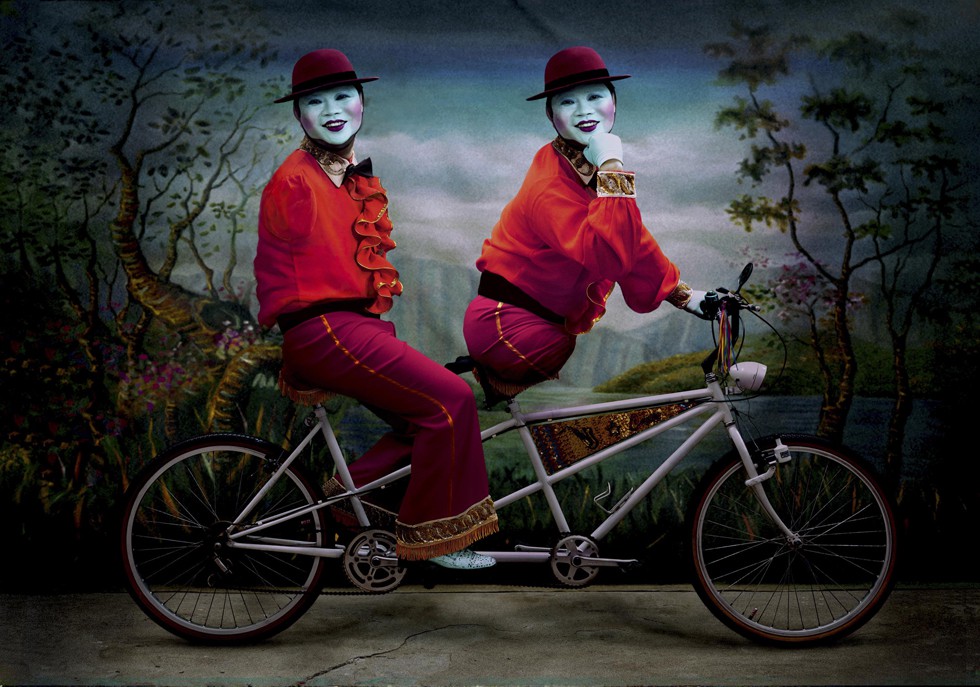
In 1987, Taiwan ended nearly four decades of martial law, marking the beginning of a new era of freedom and openness that infused unprecedented vitality into the island’s contemporary art scene. The post–martial law period saw three defining characteristics emerge in artistic creation: the liberation of media, subject matter, and perspective. First, artists were no longer confined to traditional painting and sculpture, but actively explored installation, conceptual, and performance art—expanding further into video, technology-based, and digital art. Second, the scope of subject matter broadened from personal emotions to encompass social issues such as ethnicity, gender, and class. Finally, in terms of perspective, artists moved beyond singular modes of critique, instead employing humor, irony, or poetic expression to offer multifaceted reflections on reality.
This exhibition brings together representative artists from the post–martial law era to showcase the rich diversity of Taiwan’s contemporary art. The presentation is divided into two main categories: two-dimensional works and video works. The two-dimensional pieces—on view in Gallery 1 on the second floor—include oil paintings, drawings, prints, ink art, nail art, photography, digital prints, and mixed media. The video works—displayed in Gallery 9 on the third floor—highlight the creative thinking expressed through new media languages. Through this exhibition, visitors will witness how artists in an era of freedom and diversity reflect upon and reimagine reality—revealing both the critical and creative power of Taiwan’s contemporary art.
Curators: Liao Jen-I, Liu Pi-Hsu
Exhibiting Artists: Huang Ming-Che, Kuo Jen-Chang, Yang Mao-Lin, Mei Dean-e, Ni Tsai-Chin, Yu Peng, Huang Chin-Ho, Wu Tien-Chang, Lee Ming-Tse, Lu Hsien-Ming, Kuo Wei-Kuo, Hung Tien-Yu, Lien Chien-Hsing, Hou Chun-Ming, Chen Well, Lee Chu-Hsin, Shen Chao-Liang, Chen Chun-Hao, Idas Losin, Chen Chieh-Chiang, Yao Jui-Chung, Tu Wei-Cheng
Educational Exhibition
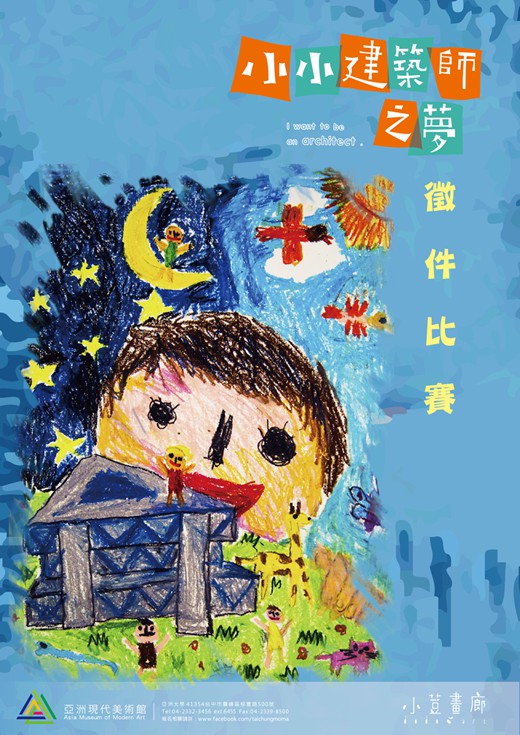
Dreams of Little Architects
The museum places great importance on children’s art education and has established the Dreams of Little Architects as a long-term platform for creative development. Its inaugural exhibition, Dreams of Little Architects, explores the theme of “dreams” as the origin of great architecture, inviting children to design and build miniature houses with their own hands. Through play, children are introduced to the beauty and principles of architecture, cultivating both emotional sensitivity and rational creativity. The exhibition envisions a future where “everyone is an artist”—and equally, “everyone can be an architect.”
Educational Exhibition
The Dreams of Little Architects
Recognizing the importance of children’s art education, Asia Modern established ‘The Little Architects Dream’—a dedicated space for nurturing young creativity and developing long-term educational programs. In the Grand Opening Exhibition Series the, The Dreams of Little Architects, celebrates the origin of great architecture: the power of dreams. Unlike painting or sculpture, architectural education for children is more complex, yet it is also deeply connected to everyday life. In this exhibition, children are invited to build miniature houses—sculpture-like models that allow them to explore the essence and beauty of architecture from an early age, inspiring a renewed vision for Taiwan’s architectural landscape. Through art education rooted in early childhood, Asia Modern hopes to foster a new generation where everyone is both an artist and an architect—balancing creativity and logic, art and technology. This vision is, in itself, another dream behind The Dreams of Little Architects.