2014-10-24 ~ 2015-08-02 A Lonely Artist Gazing through Bustling Life–Edgar Degas
Edgar Degas (1834–1917)
A keen observer of modern life and a profound thinker on human nature, Edgar Degas stands as one of the most significant figures in 19th-century French art. Though associated with the Impressionist group, Degas maintained a distinctly personal style—capturing not only the brilliance of urban life but also its underlying solitude and melancholy.
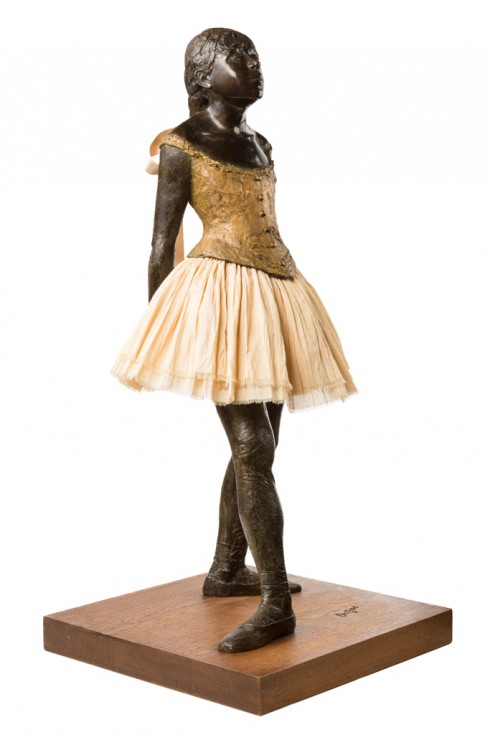
Little Dancer, Aged Fourteen
Little Dancer, Aged Fourteen (1878) was presented at the Sixth Impressionist Exhibition in 1881 and remains the only sculpture Degas ever exhibited publicly during his lifetime. The work portrays a young ballet student poised between innocence and discipline, embodying both the hardships of training and the quiet grace of perseverance—a symbol of youth and latent vitality.
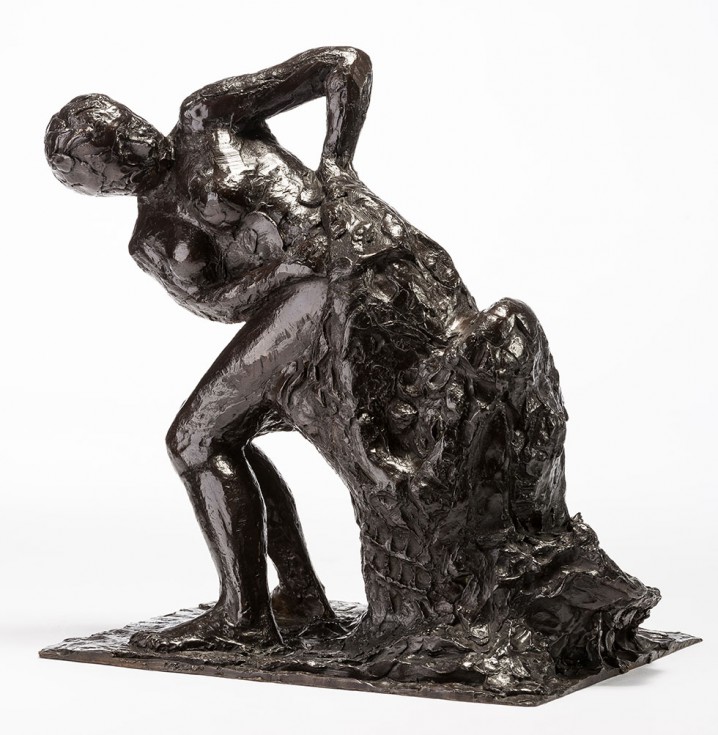
Intimate Memories of the Female Body
In his Bathers series, Degas depicted women engaged in the intimate routines of bathing, brushing their hair, and drying themselves—scenes stripped of artifice and sensual display. He transformed his studio into a private space equipped with basins and tubs, allowing models to move naturally and unselfconsciously. In doing so, Degas subverted the contrived poses of the academic tradition and revealed a new, unidealized form of beauty—one rooted in authenticity and everyday gesture.
Studies of Ballet Dancers
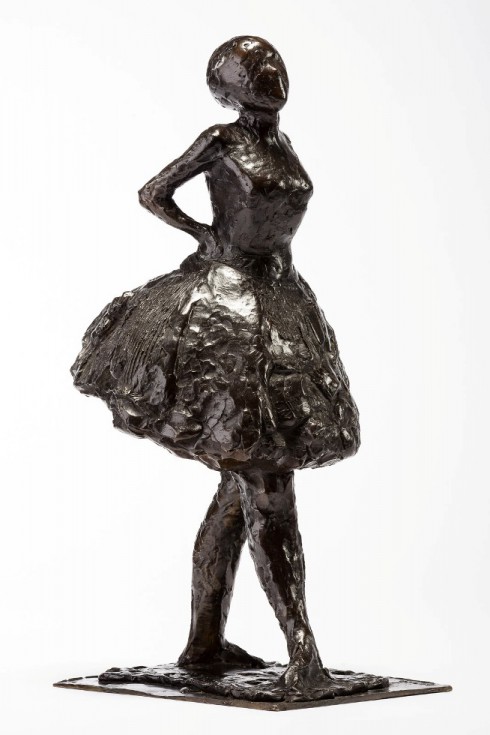
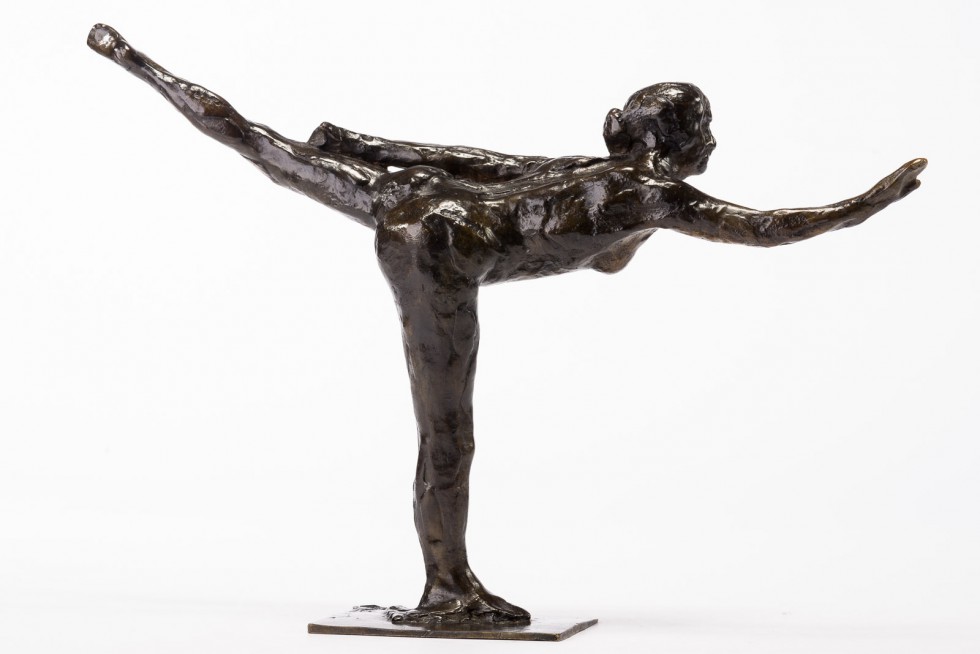
Throughout his career, Degas explored the physical language of ballet: stretching, bending, arching, spinning, lifting, and reaching. Each gesture, rather than being a mere depiction, became a rhythm of the artist’s own body translated into form. Through sketches, pastels, oils, and clay models, Degas repeatedly deconstructed and reconstructed movement. His sculptural experiments were not ends in themselves but a means to study proportion, balance, and the expressive potential of the human figure in space—revealing a freedom of form unprecedented in his time.
Horses and the Horse Racing
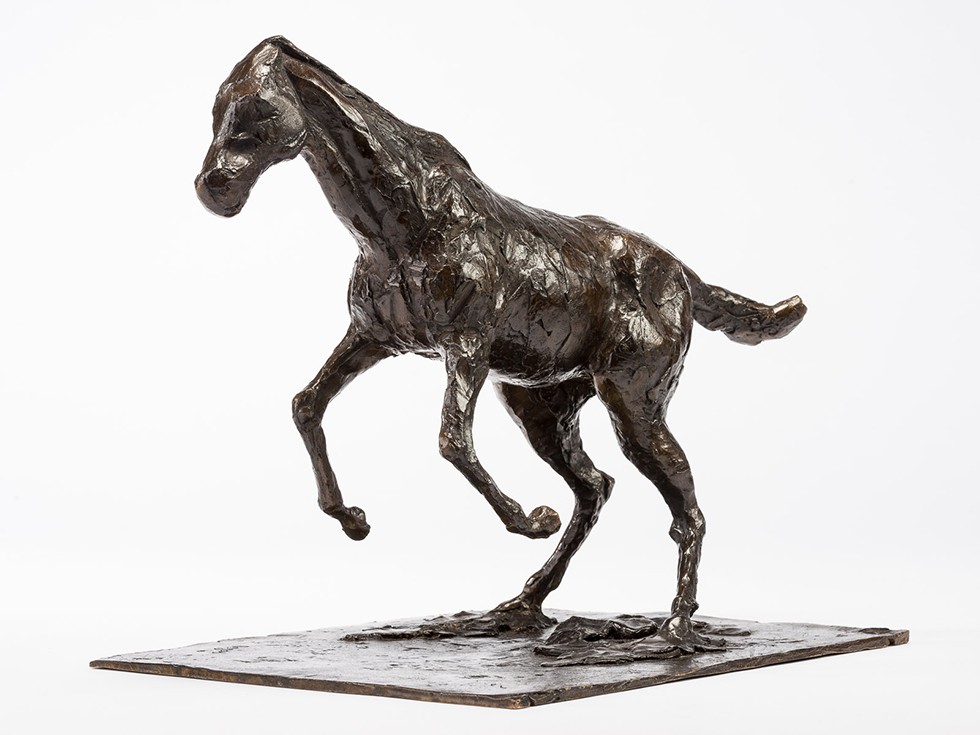
Initially drawn to horses through his early historical paintings, Degas later turned his attention to the spectacle of modern horseracing—a reflection of Parisian leisure and social life. From moments of stillness to galloping motion, drinking, or pulling carriages, he captured the anatomy and rhythm of horses through quick sketches, pastels, and plaster studies. In his hands, the horse transcended its traditional symbolic role to become an autonomous and vital artistic subject.

The Time of Edgar Degas
Living through the 1870s, Degas occupied a unique position—standing alongside the Impressionists in their resistance to academic conventions, yet maintaining a critical distance from their ideals. He was less concerned with fleeting light or color than with the psychological truth of modern existence. In the glitter of Paris, Degas found not just spectacle but the quiet loneliness of humanity and the desolation beneath the surface of society. His art thus emerged as both modern and timeless—an inquiry into the human condition through the lens of movement, observation, and form.