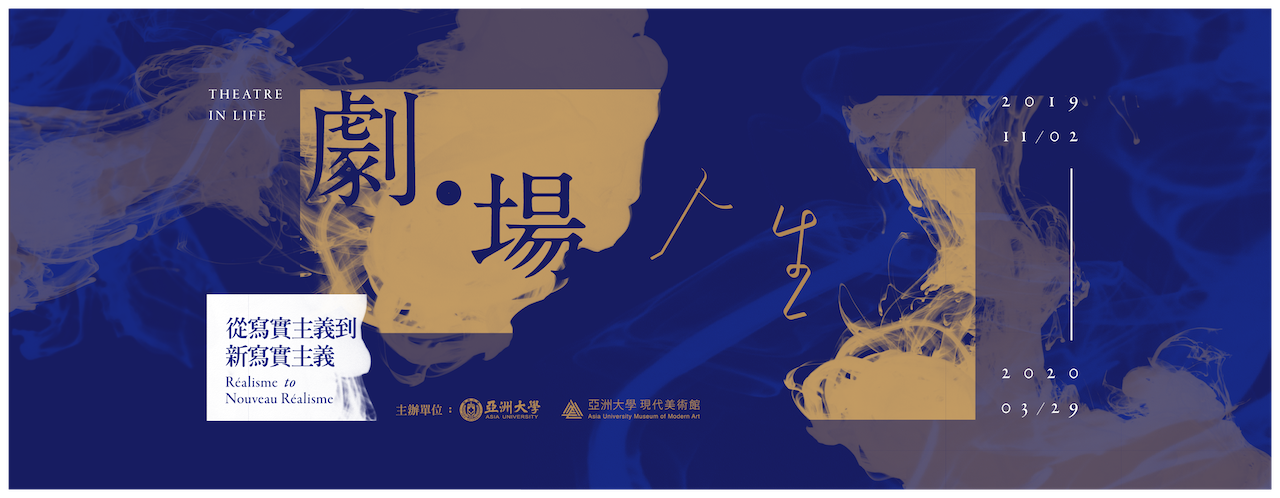
2019-11-02 ~ 2020-03-29 Theatre in Life: Réalisme to Nouveau Réalisme
“Theatre in Life: Réalisme to Nouveau Réalisme”, curated by Ms. Shu-Ying Weng. The exhibition guided visitors on a journey from 19th-century Realism to 20th-century Nouveau Réalisme, exploring the evolving forms and spirits of “realism” across different eras.
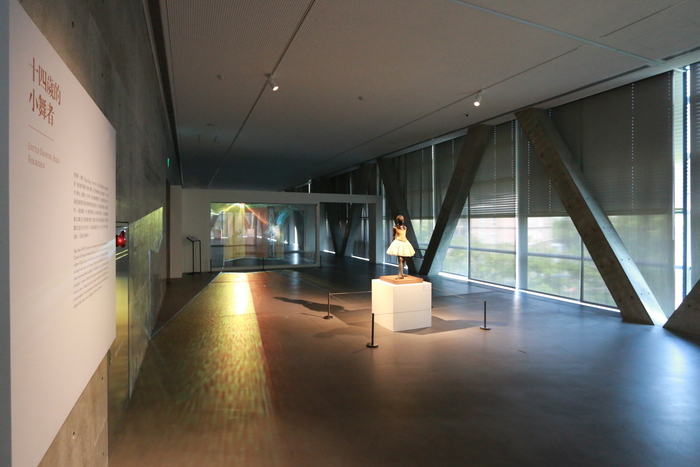
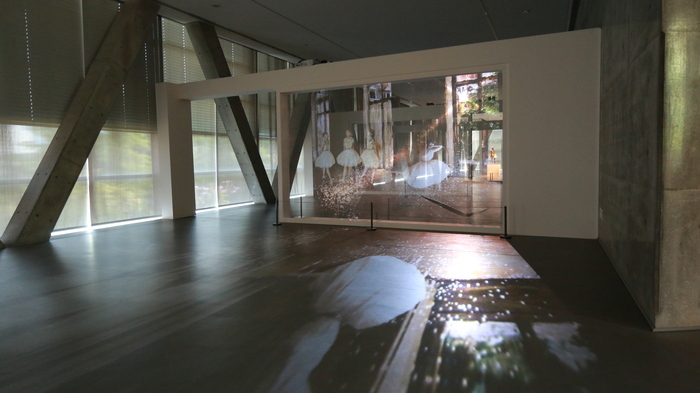
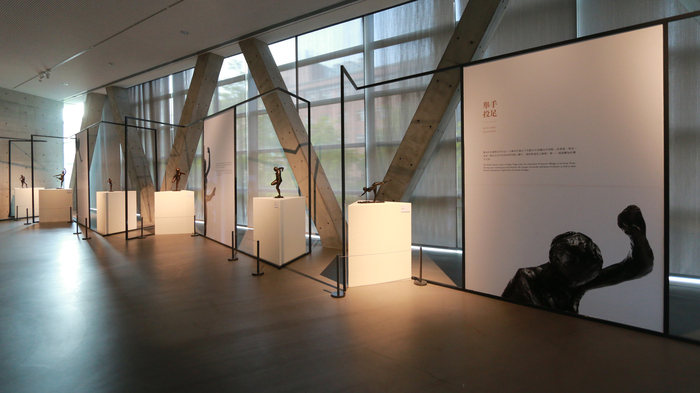
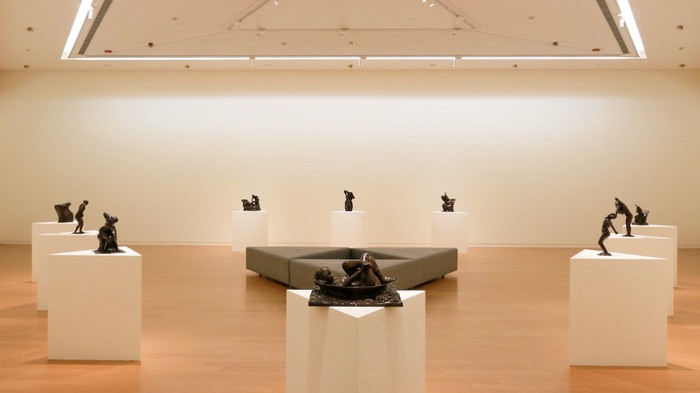
The exhibition opened with Edgar Degas’s (1834–1917) Little Dancer, Aged Fourteen, and featured an interactive image installation on the second floor, allowing visitors to experience the rhythm of life and nature through light and shadow. Degas’s ballet series shifted focus away from staged performances, instead capturing dancers offstage—dressing, warming up, and rehearsing—with delicate attention to muscular rhythm, prompting the question: Who is the true protagonist? His series of women bathing likewise replaced academic idealization with authenticity and naturalism. Auguste Rodin (1840–1917) and Camille Claudel (1864–1943), both pivotal Realist sculptors, transformed their relationship—from mentor and student to lovers—into a source of inspiration, channeling their passion and separation into works that embody complex emotions.
In the 20th century, Nouveau Réalisme emphasized a return to reality, presenting lived environments and behavioral patterns. Arman (1928–2005) was renowned for techniques of accumulation, fragmentation, and reassembly; in the 1980s, he created works in bronze and with musical instruments, transforming rigid materials into visual melodies. César Baldaccini (1921–1998), influenced by Cubism, explored the truth of objects through welding, compression, and expansion. Niki de Saint Phalle (1930–2002) gained fame with her “shooting paintings,” a critique of patriarchal injustice. In 1965, inspired by a pregnant friend, she created her iconic Nana series—“nana” meaning “girl” in French—where vibrant colors symbolized diversity, and voluptuous forms embodied the earth mother and life force, celebrating female power while challenging gender stereotypes.
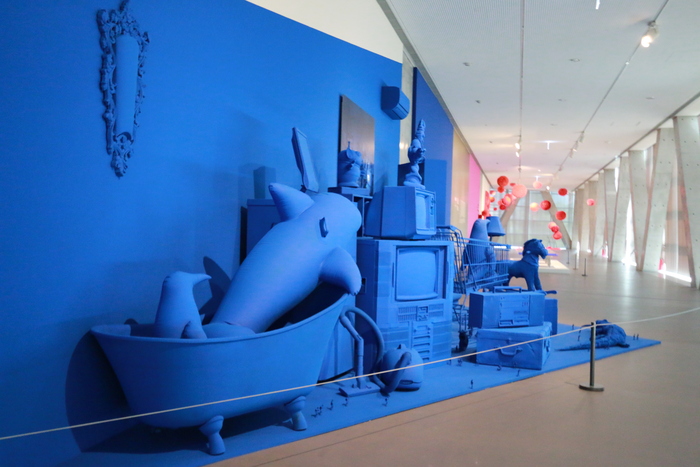
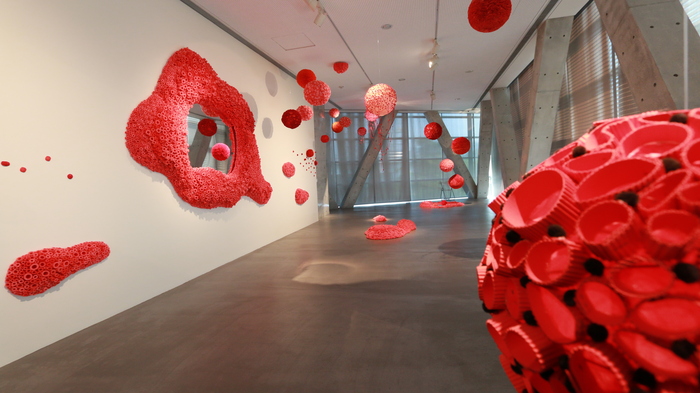
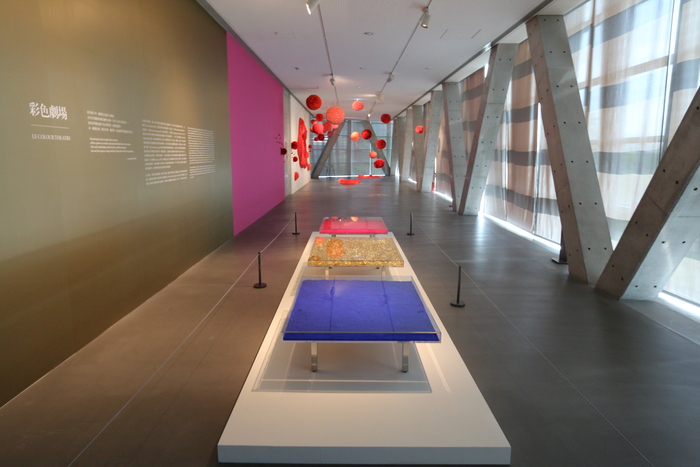
On the third floor, the special presentation Le Colour Theatre featured works inspired by Yves Klein (1928–1962) and his concept of “monochrome.” Beginning with Orange in 1955, Klein adopted pure color as his artistic language. This section also brought together monochrome works by Zhou Chunya, Wang Chien-Yang, and Huang Pei-Ying, responding to Klein’s vision and opening a cross-temporal dialogue. While the main exhibition invited visitors into the theatre of life, Le Colour Theatre allowed them to experience directly the spiritual essence of color.